

EUR
4,84 Excl. VAT
*
EUR
5,76 VAT included
*


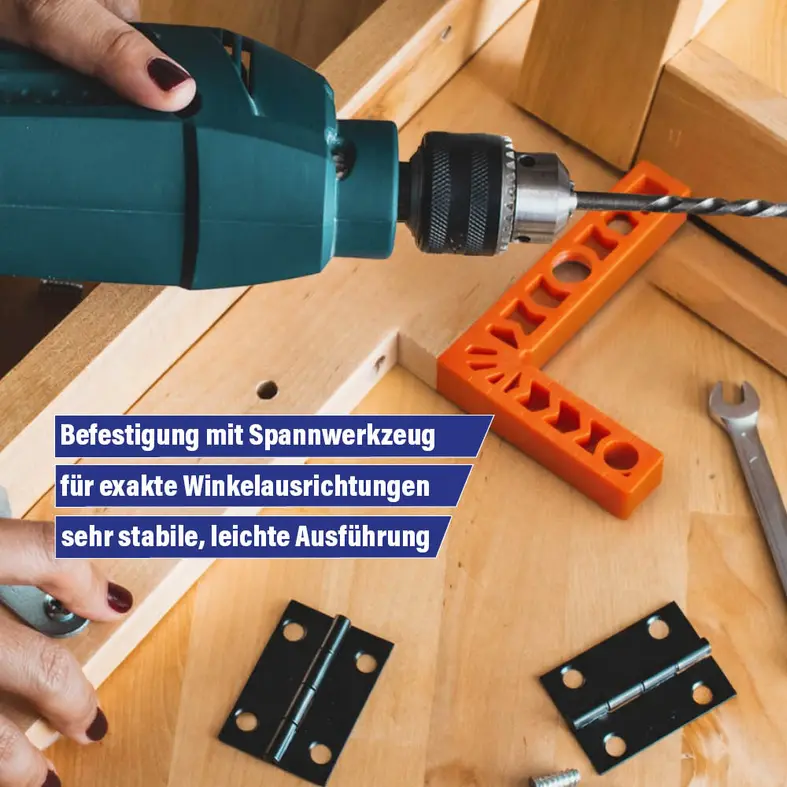
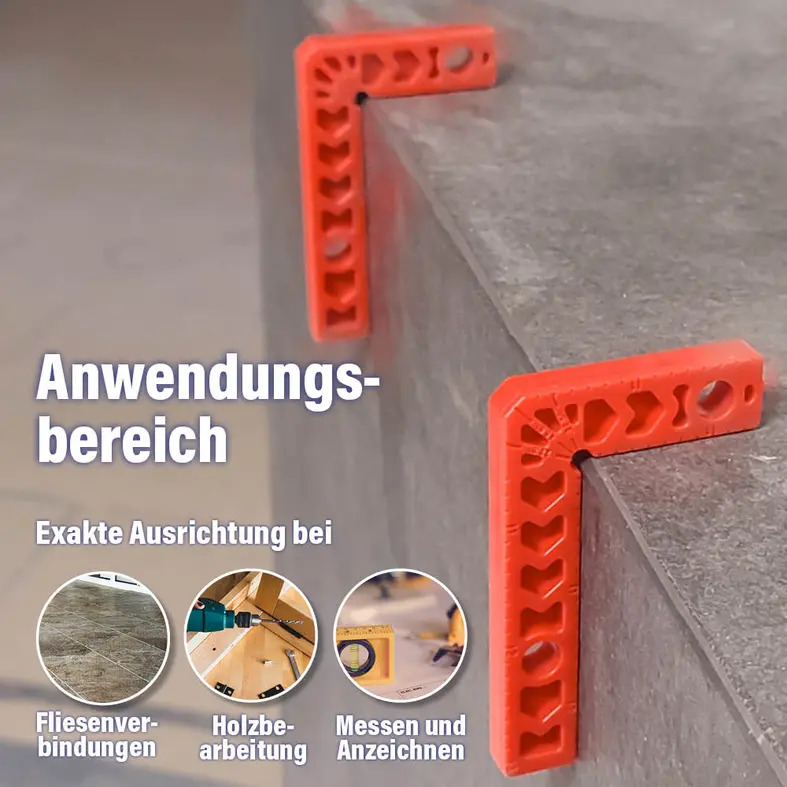
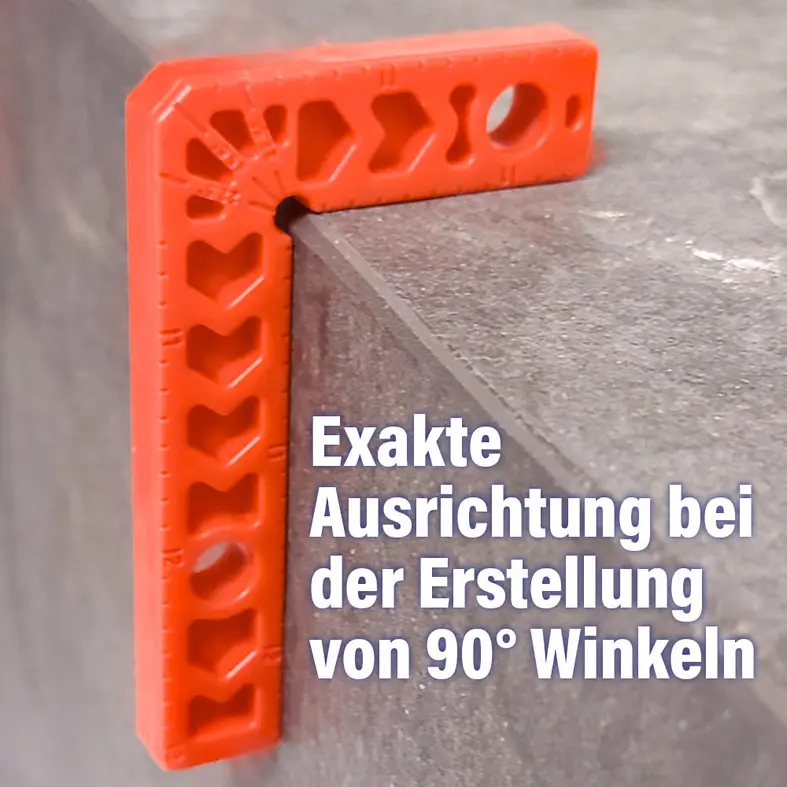
A plastic angle for edge bonding is a practical solution to permanently protect tile edges and create a stable connection. Especially in bathrooms, kitchens or other wet areas, it prevents damage and ensures a clean, sealed finish between tiled surfaces. Thanks to its L-shape, the angle can be precisely attached to the tile edge, offering a robust connection that reliably withstands moisture and wear.
While metal profiles are often prone to corrosion, a plastic angle for edge bonding provides a low-maintenance and durable alternative. It is lightweight, resistant, and ideal for protecting delicate tile edges – suitable for both renovations and new constructions.
A plastic angle is specifically designed to secure edges and permanently stabilize the connection between tiles.
With a plastic angle for edge bonding, clean and stable edges can be created, significantly extending the lifespan of tiles. The profile effectively protects against mechanical stress – such as cleaning, impacts or frequent use.
These angles are usually made from durable plastics such as PVC, ABS or PE. These materials are particularly robust, moisture-resistant and easy to work with. They are ideal for wet rooms, sanitary areas or kitchens where surfaces are regularly cleaned and subjected to wear.
Installation is simple and quick: The plastic angle for edge bonding is applied directly to the cleaned tile edge using high-quality mounting adhesive or silicone. After briefly pressing it into place, a strong and lasting bond is created.
A plastic angle can be used on various types of tiles and surfaces – whether wall tiles, floor tiles or cladding in interior construction. Especially on external corners, the profile ensures a stable and protective connection. It can also be retrofitted easily during repair work to permanently secure damaged edges.
With different leg lengths and material thicknesses available, the plastic angle for edge bonding can be individually adapted to each project, ensuring a functional solution that provides safety and stability.
Plastic profiles are extremely easy to maintain. Usually, a damp cloth is enough to remove dust or residue. Even with heavy use, they retain their shape and function for many years. A plastic angle for edge bonding is therefore an economical, robust and low-maintenance solution for both professional and private tile installations.
A plastic angle for edge bonding offers lasting protection and stability for tile edges. Thanks to its durable materials, easy installation and long lifespan, it is the ideal choice for reliably securing edges and preventing damage from moisture or impact.


