Rail-Guided Dust Extraction for Efficient and Clean Work Environments in Tiling
A rail-guided dust extraction system is the ideal solution for tilers who value clean working conditions and efficient workflows. When cutting, grinding, or drilling tiles, fine dust is generated that quickly spreads throughout the area, affecting both visibility and health. This is where a modern extraction system provides the perfect solution.
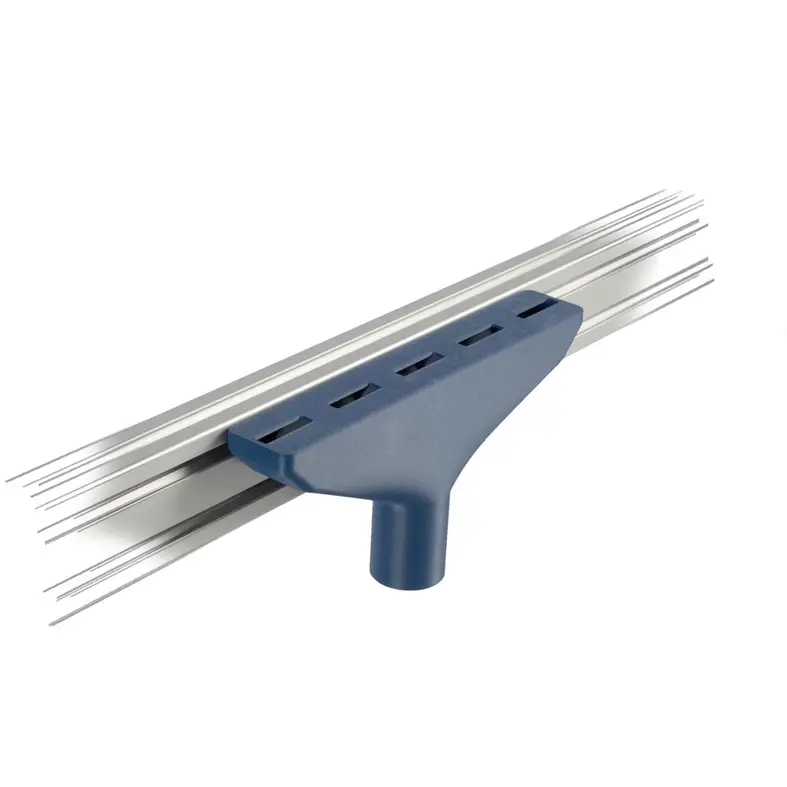
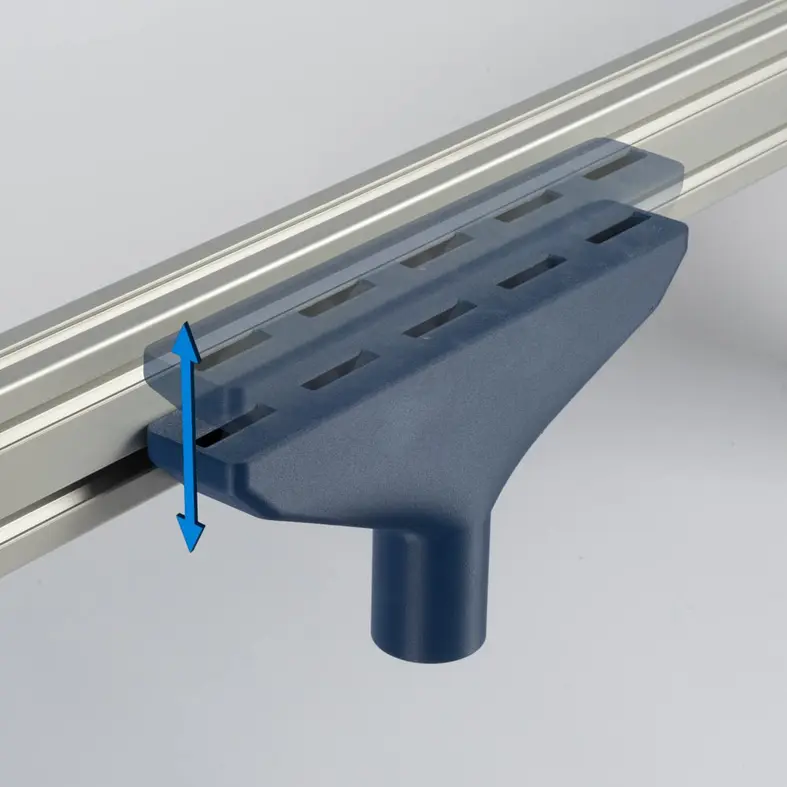
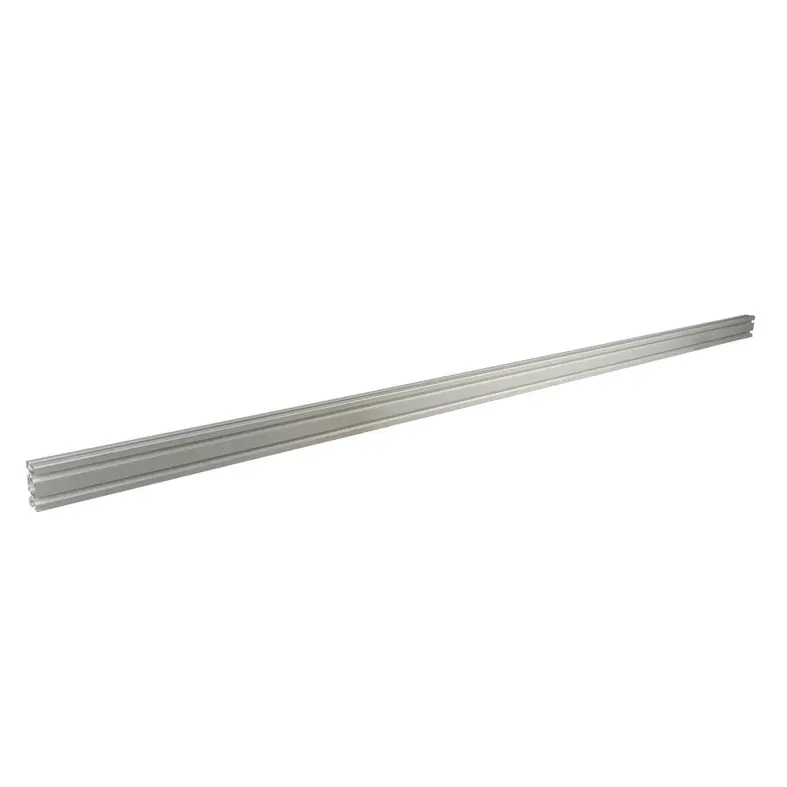
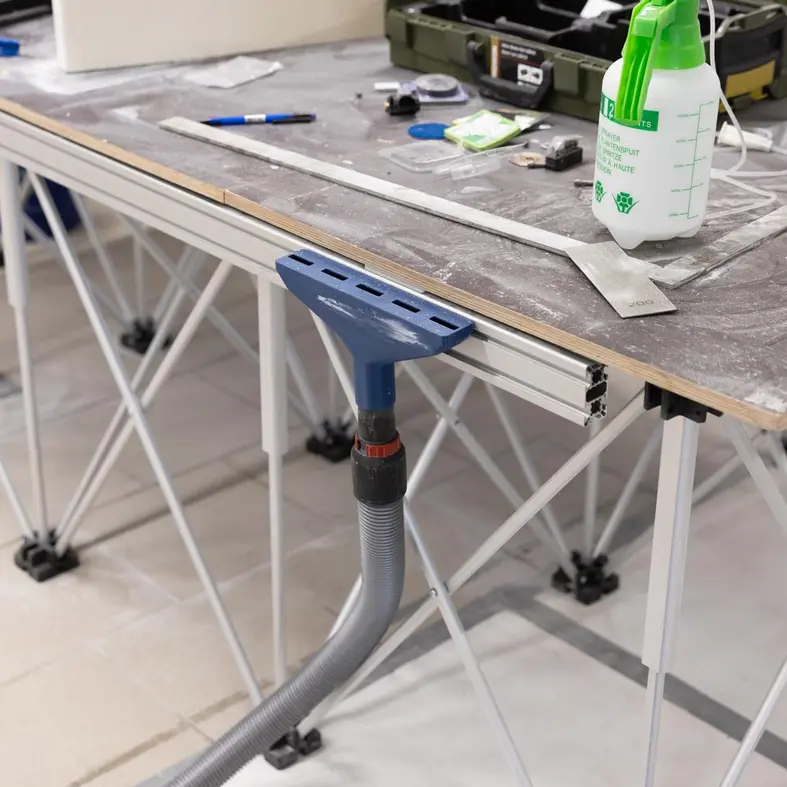
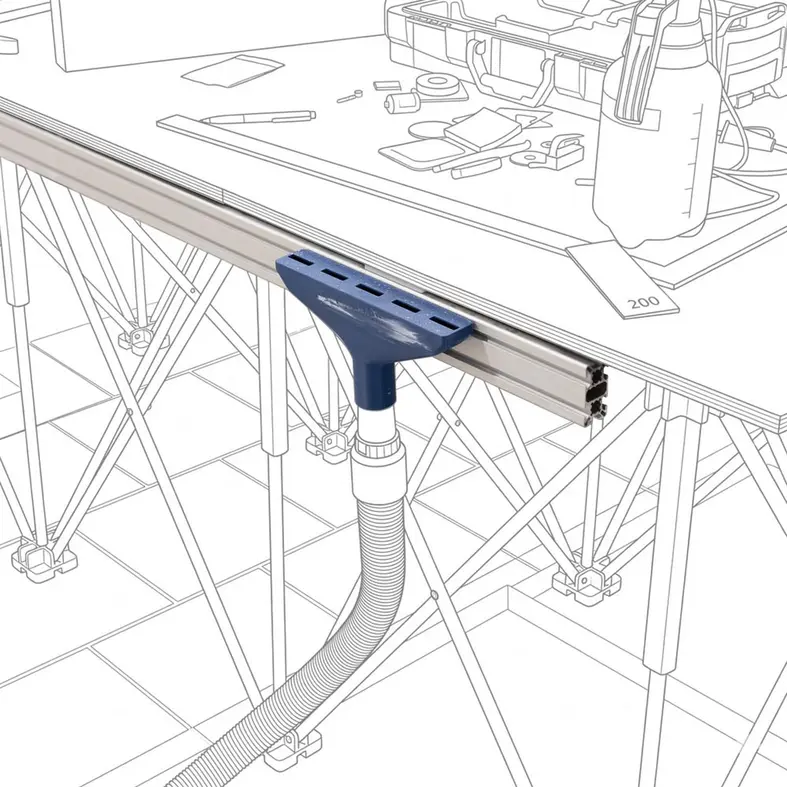
Mounted on a rail, the system can be moved flexibly along the workspace. This allows the extraction unit to be positioned exactly where work is taking place. A rail-guided dust extraction system enables tilers to capture dust directly at the source and keep job sites clean.
Advantages of Rail-Guided Dust Extraction for Tilers
This system shows its strengths on job sites with changing work positions. Tilers especially benefit from the combination of flexibility and efficiency.
- Flexible positioning along the work area
- Clean air when cutting and processing tiles
- Reduced cleaning effort on site
- Improved visibility of the work surface
- Increased health protection through reduced dust exposure
A
rail-guided dust extraction system helps cover multiple work areas efficiently without constantly repositioning equipment. This saves time and simplifies daily tasks.
Rail-Guided Dust Extraction in Daily Use
In everyday tiling work, flexibility is essential. Whether cutting tiles, adjusting edges, or carrying out renovation work—dust is generated in many processes. A rail-guided dust extraction system ensures that it is removed before it spreads into the environment.
Thanks to its mobility along the rail, the system can easily adapt to different work areas. This is particularly advantageous for larger projects or extended surfaces, as the extraction can always be optimally positioned.
Why Rail-Guided Dust Extraction Is Ideal for Tilers
Tilers often face the challenge of working precisely while minimizing dust. A rail-guided dust extraction system supports this by ensuring a clean working environment, reducing interruptions caused by cleaning, and improving overall efficiency on site.
In addition, the system can often be integrated into existing workflows without major adjustments. This makes it suitable for both small-scale jobs and large construction projects.
Investment in Clean and Professional Work
Choosing a
rail-guided dust extraction system is an investment in quality and professionalism. Clean job sites not only create a positive impression on clients but also make daily work easier and more efficient.
With a well-designed extraction system, workflows can be optimized, dust exposure reduced, and better results achieved. Especially in tiling, this provides a clear competitive advantage.
FAQ about Rail-Guided Dust Extraction for Tilers
What is a rail-guided dust extraction system in tiling?
A flexible extraction system that moves along a rail and removes dust directly during tile cutting and processing.
A rail-guided dust extraction system is a movable solution that runs along a rail and can be positioned exactly where dust is generated during tiling work. Especially when cutting, drilling, or grinding tiles, it captures dust directly at the source and prevents it from spreading in the air.
Why is a rail-guided dust extraction system useful for tilers?
It reduces dust on site, improves visibility, and creates cleaner working conditions.
Tile work generates fine dust that can be both disruptive and harmful. A rail-guided dust extraction system removes this dust directly, improving air quality and keeping the work area clean. This enables more precise work and significantly reduces cleaning effort.
What are the benefits of a rail-guided dust extraction system on site?
More flexibility, less cleaning effort, and more efficient tile work.
Tilers benefit from the system’s flexibility, as it can be positioned exactly where work is being done. This eliminates the need to constantly reposition equipment. Dust is captured immediately, resulting in a cleaner workspace, better health protection, and increased efficiency.
Can a rail-guided dust extraction system be installed later?
Yes, many systems can be easily integrated into existing setups.
Many rail-guided systems are modular and can be retrofitted without major modifications. This is especially useful for tilers who want to improve their workflow without significant structural changes. Integration into existing processes is usually simple and straightforward.
For which projects is a rail-guided dust extraction system most beneficial?
Especially for large job sites or frequent tile cutting and grinding tasks.
A rail-guided dust extraction system is particularly beneficial for projects with high dust generation, such as large surfaces, renovations, or complex tile cutting. When tiles are processed regularly, the system ensures a cleaner working environment and more efficient workflows.
Do you have any questions on this item?